Start with the work geometry
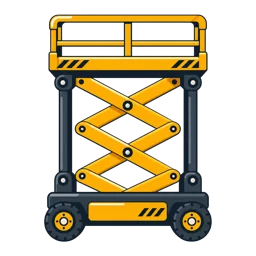
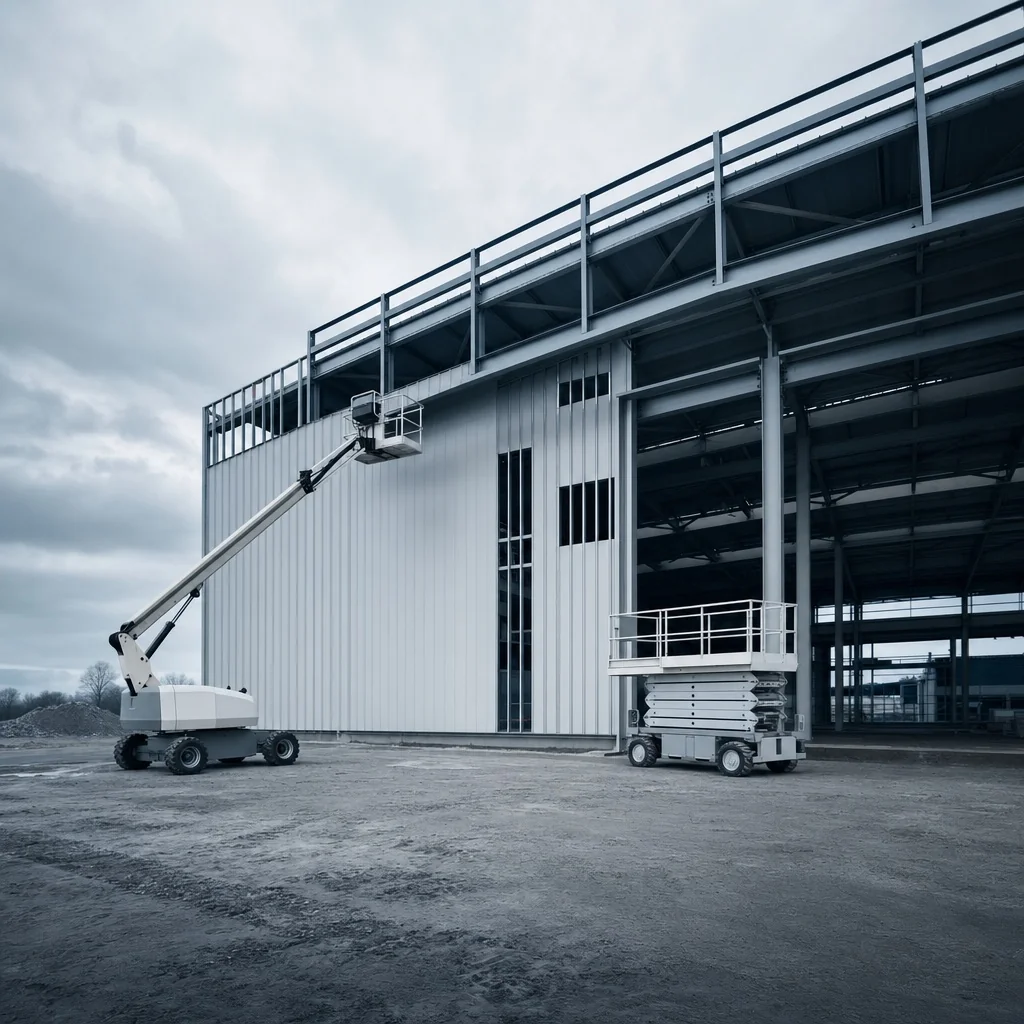
- Can the machine sit directly below the task, or does it need reach around obstacles? If the platform can park under the work, a scissor lift usually fills the need. If reach is required over equipment lines, conveyors, or façades, compare boom options at /aerial-lift-rental/ or /boom-lift-rental/.
- Measure the required platform height and add clearance for the task. In high‑bay logistics and maintenance, low‑to‑mid reach scissor models handle inventory signage, lights, and sensors, while taller units address racking and overhead utilities.
How Salt Lake City conditions shift the choice
- Winter cold in unheated interiors affects batteries and hydraulics. Electric slab scissor lifts remain the go‑to for clean floors, but planning for temperature exposure and charge cycles matters for long shifts.
- Outdoor sites on the valley edge or near foothill grades may need outriggers or leveling capability. Rough‑terrain scissors with four‑wheel traction and larger tires are commonly selected for uneven subgrades and snow‑affected areas.
Narrow by floor and access constraints
- Doorway and aisle width: Compact electric scissors fit narrow warehouse aisles and standard doors. Check turning radius for staged pallets and dock equipment.
- Surface rating: Slab models expect finished concrete. For gravel, regrade, or thaw‑softened ground, move to /rough-terrain-scissor-lift-rental/.
- Power and emissions: Life sciences and healthcare facilities typically require electric machines with non‑marking tires and low sound. For exterior construction or staging yards, diesel or hybrid rough‑terrain units are typical.
Typical applications around Salt Lake City
- High‑bay logistics: Frequent light and sensor access, cycle counts at elevation, and racking retrofits favor electric scissor lifts sized to ceiling height.
- Aviation maintenance and terminal work: Mixed indoor/outdoor tasks often split between slab scissors inside and rough‑terrain units for apron‑adjacent construction.
- Clinical and lab facilities: Smooth floors, tight corridors, and air quality expectations point to compact electric units.
Related equipment comparisons
If the task requires up‑and‑over reach, review /boom-lift-rental/. For strictly indoor slab work, see /electric-scissor-lift-rental/. For exterior, unfinished ground, start at /rough-terrain-scissor-lift-rental/.