Fit the lift to the interior route
- Measure the tightest doorway, elevator, or corridor the machine must pass through. Narrow slab models serve racking aisles and back‑of‑house corridors without disrupting traffic.
- Confirm floor type. Finished concrete and coated floors call for non‑marking tires and low point loads. If the path includes exterior staging on rough ground, hand off that segment to a rough‑terrain unit at /rough-terrain-scissor-lift-rental/.
Plan for Salt Lake City’s winter conditions
Unheated warehouse zones and open dock doors expose electric lifts to cold. That reduces battery output and can slow hydraulic response. For long shifts during cold snaps, shorter duty cycles and warm staging areas improve consistency. Where tasks move between climate‑controlled labs and chilly shell spaces, keep the route short to limit temperature swings.
Height and platform considerations
- Platform height should cover the most frequent task elevation, with margin for fixtures and signage common in local distribution buildings.
- Compact platforms ease positioning under lighting, sprinkler drops, and cable trays without overhanging into traffic aisles.
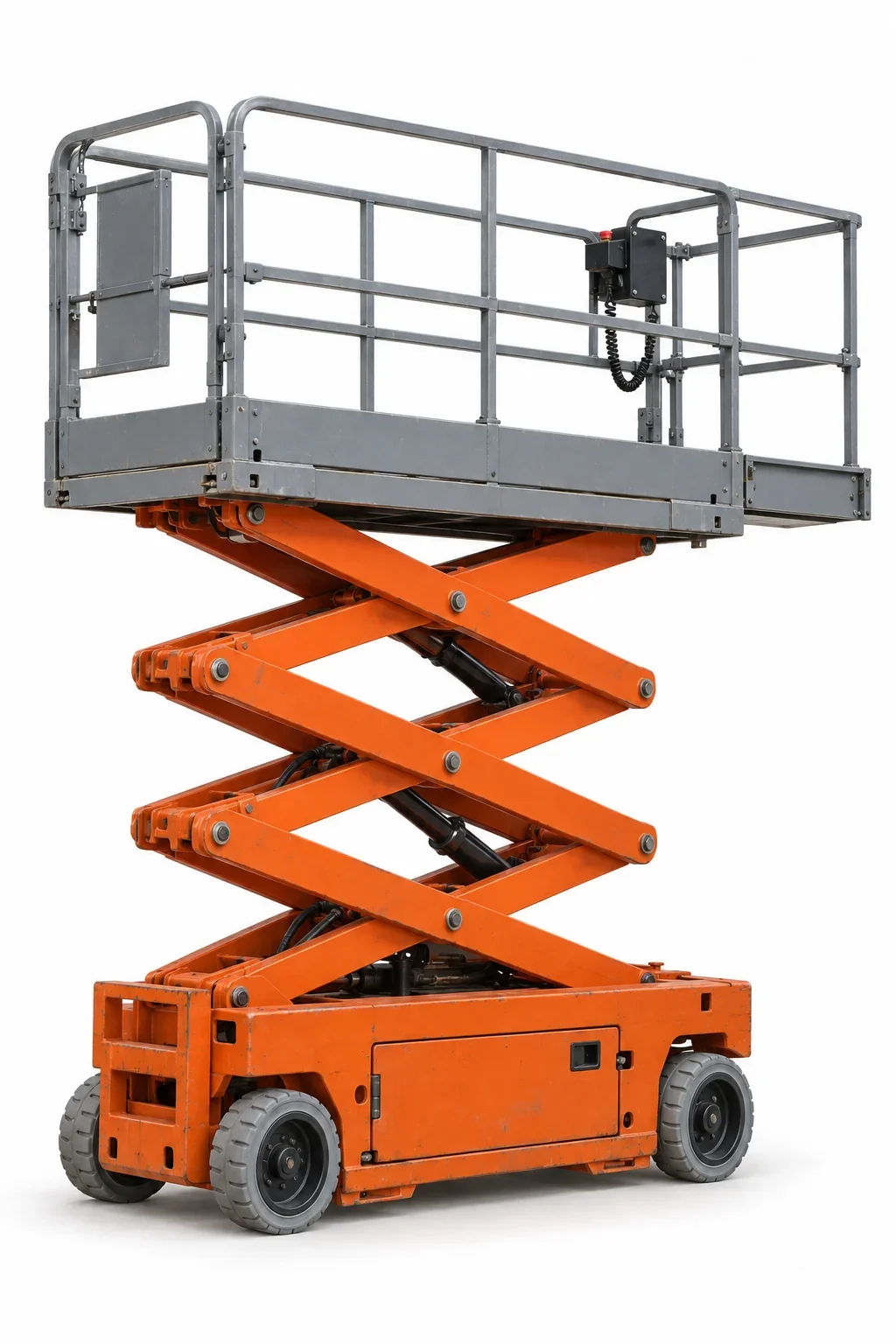
Where electric slab scissors excel locally
- High‑bay inventory labeling and sensor maintenance.
- Terminal concourses, concessions build‑outs, and mezzanine utilities on smooth floors.
- Laboratory and clinical areas that expect low noise and zero exhaust.
Related comparisons
If outdoor or unfinished ground enters the plan, review /rough-terrain-scissor-lift-rental/. If the task requires up‑and‑over reach to clear conveyors or façades, see /boom-lift-rental/ or the broader overview at /aerial-lift-rental/.