Define the job geometry first
- Can the generator or tower sit below the work or must it be within the work zone? Long cable or light throws demand higher output and better voltage regulation.
- Is the lighting uniform over aisles or focused on a gate, laydown, or facade? Wide yards around logistics buildings often need multiple mast heads spaced to avoid glare and shadow bands.
- How many circuits will start simultaneously? Motor loads for site compressors, heaters, or lifts can spike well above running watts.
Local conditions that change the comparison
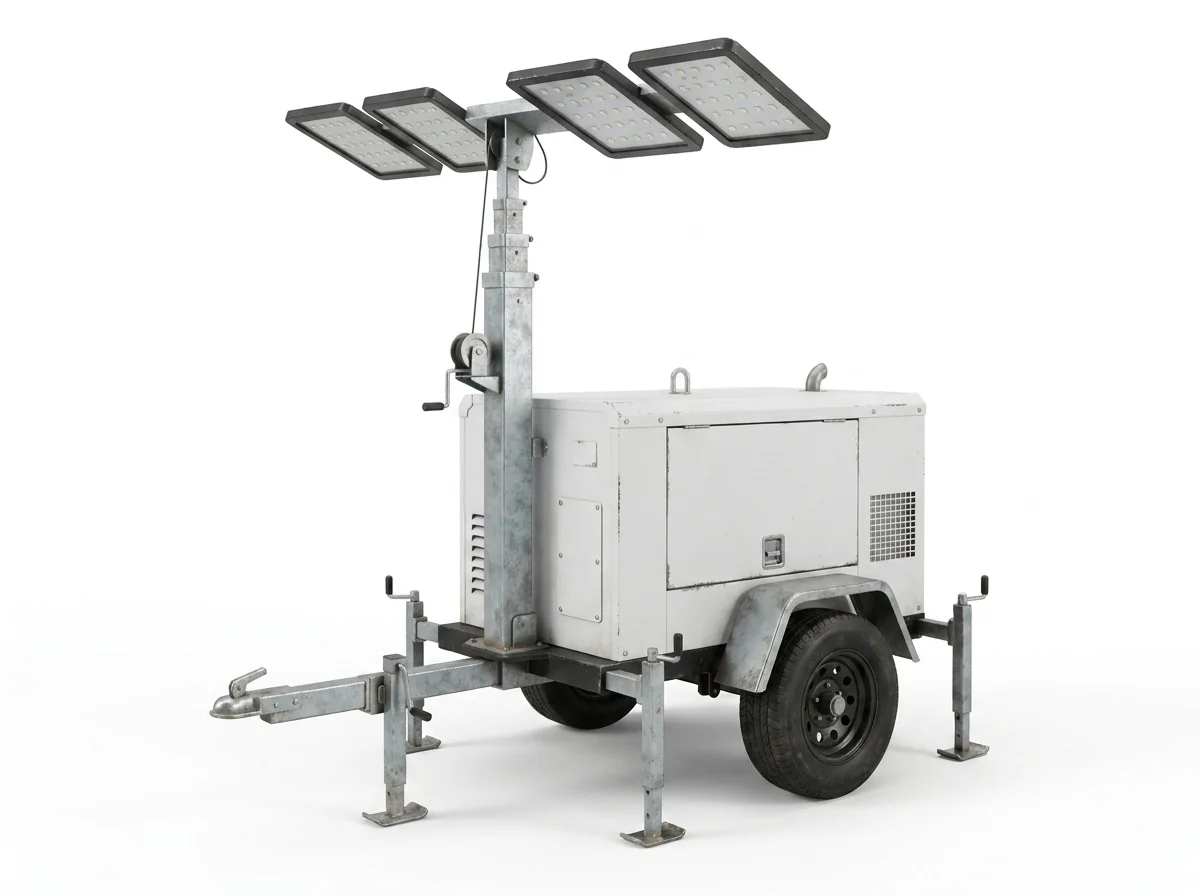
Salt Lake City’s winter nights, cold starts, and wind across open industrial pads reward enclosed generator packages with solid grounding points and towers with stout stabilizers. In snow-affected staging areas or on compacted base near new warehouse shells, wheel sets and jacks matter as much as lumens. Sites near the foothills can introduce grade; plan for towers with outriggers that level on sloped approaches and place units where drifting will not block access.
Power planning by task and route
- Temporary facility power: Prioritize voltage stability and receptacle mix. If lifts and small tools share a panel, separate lighting from high-draw equipment to keep flicker down. See aerial options at /electric-scissor-lift-rental/ and /rough-terrain-scissor-lift-rental/ to estimate combined load impacts.
- Night concrete, steel, or exterior finish work: Fuel capacity and mast height determine how many refuels interrupt the shift. Tower placement should avoid shining directly into operator cabs or active taxiways and haul roads.
- Indoor maintenance in climate-controlled spaces: Smaller inverter units reduce noise and emissions at sensitive sites. For tight corridors or labs served by vertical access equipment, check turning radius and exhaust routing. Related access gear: /vertical-mast-lift-rental/ and /aerial-lift-rental/.
Surface and access route
- Soft or rutted ground: Choose towers with wider stance and adjustable outriggers. Trailer-style units tow easily between pads but need room to swing and level.
- Long pulls to the far end of a distribution building: Cable management becomes the constraint; generator placement near the load reduces voltage drop but must not obstruct dock traffic.
Coordination with lift work
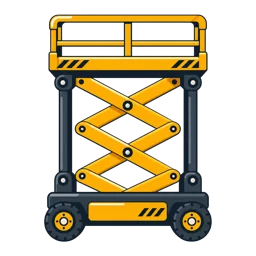
If light is for overhead maintenance or racking at height, confirm your chosen scissor or boom platform’s electrical needs and glare tolerance. Narrow-aisle work often benefits from more, smaller towers placed outside the picking lanes. For high-reach tasks, compare /boom-lift-rental/, /articulating-boom-lift-rental/, and /telescopic-boom-lift-rental/.
Actual site conditions, manufacturer instructions, and project procedures govern setup and operation, especially in elevated or exterior zones.