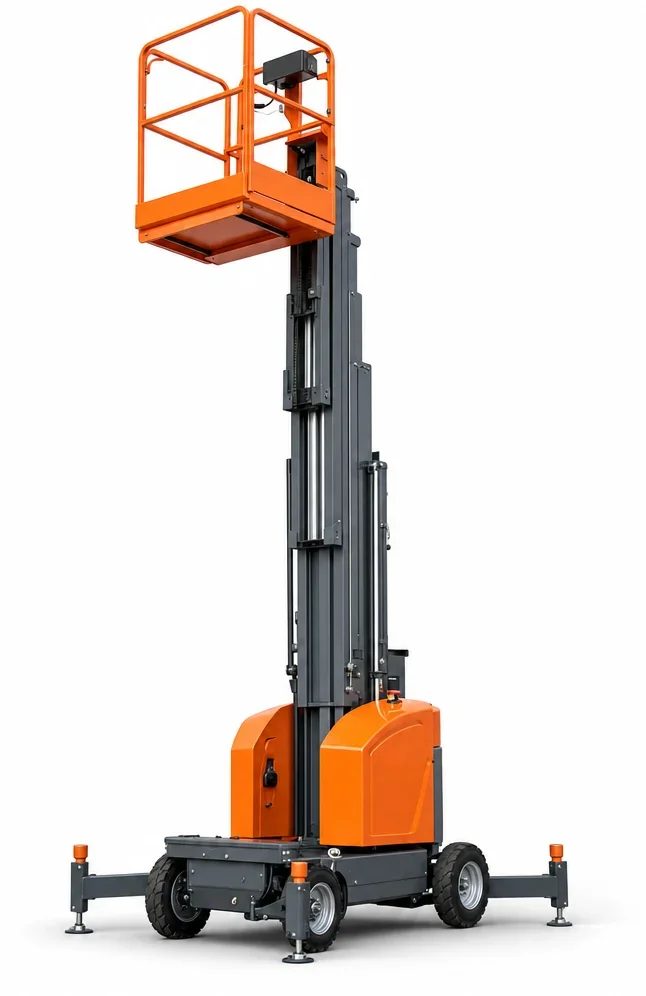
When a vertical mast is the efficient choice
- The machine can sit directly below the work point.
- Aisle or corridor width is limited, with frequent turns.
- Floor finishes or access rules restrict heavier platforms.
Typical uses include lighting, sensor, and signage maintenance inside high-bay facilities where the task is near the aisle centerline, or in clinical and lab environments with restricted emissions and low noise expectations.
Salt Lake City constraints to check
- Door and elevator sizes along the route between storage and task areas.
- Floor load sensitivity in finished spaces; small footprint reduces point loading compared to larger scissor lifts.
- Unheated interiors during winter can affect electric drive runtime; plan work blocks accordingly.
Mast vs. scissor vs. boom
- Choose a mast when the job is straight up and within a narrow aisle.
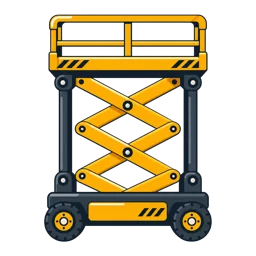
- Pick an /electric-scissor-lift-rental/ for broader deck space and short lateral moves inside open bays.
- Move to /articulating-boom-lift-rental/ if overhead obstacles prevent a straight vertical reach.
Work envelope and staging
Even compact lifts need clear overhead paths. Confirm sprinkler mains, conveyor guards, and low trusses won’t block the lift column. Staging areas near loading docks can experience cold-air intrusion; expect reduced battery efficiency until temperatures normalize.
Actual site conditions, the selected unit’s instructions, and site procedures govern exterior or elevated work.