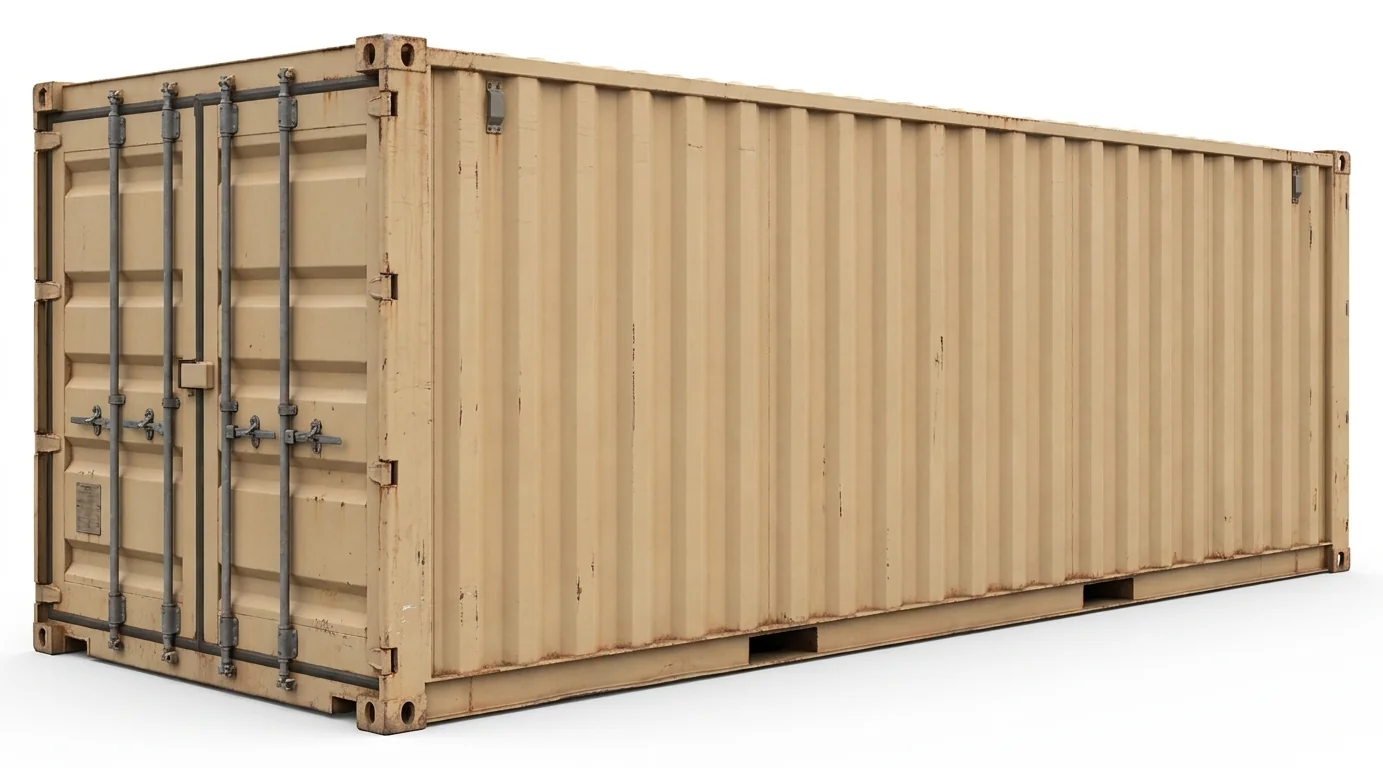
Match container size to the handling method
- Fork-access pallets and long racking sections fit differently than small parts bins. If telehandlers or forklifts will load from grade, check fork approach, mast height, and slab conditions. See /telehandler-rental/ and /forklift-rental/ for loading geometry considerations.
- For tool cribs near interior work, shorter units reduce travel inside large shells and fit between columns without blocking egress.
Surface, slope, and door performance
Containers settle on uncompacted fill or frozen-thawing ground. In Salt Lake City winters, minor heave can pinch doors. Solid blocking at the corners and a firm, drained pad reduce racking. Along the foothill edges, slope can require additional cribbing to keep the threshold level.
Security and climate considerations
- Sensitive materials for healthcare or lab build-outs benefit from sealed units with tight gaskets and options for desiccant or passive ventilation. For frequent access, double-door models shorten retrieval time and reduce exposure.
- Wind across open industrial sites can drive snow against doors. Position doors out of prevailing winds when possible and maintain clear apron space for lift approaches.
Access route and traffic flow
- Dock-adjacent placement speeds turnover but must not cut turning radii for yard trucks. Mark the container footprint with temporary barriers if it sits near active lanes. See /temporary-fencing-barricades-rental/ for separation options.
- Interior staging during finish phases should account for finished slab protection and overhead clearances for booms or scissors traveling past. Related access pages: /electric-scissor-lift-rental/ and /aerial-lift-rental/.
Coordinating with elevated work
When containers feed racking or MEP installs at height, aisle widths dictate how pallets transfer to platforms. Confirm platform capacity and gate dimensions on /rough-terrain-scissor-lift-rental/ or /boom-lift-rental/ pages before finalizing container location.
Actual site conditions, the unit’s documentation, and project procedures govern placement and use, especially in active exterior zones.