Start with the route, not just the load
- Path survey: note door widths, threshold heights, dock levelers, and any ramps between buildings.
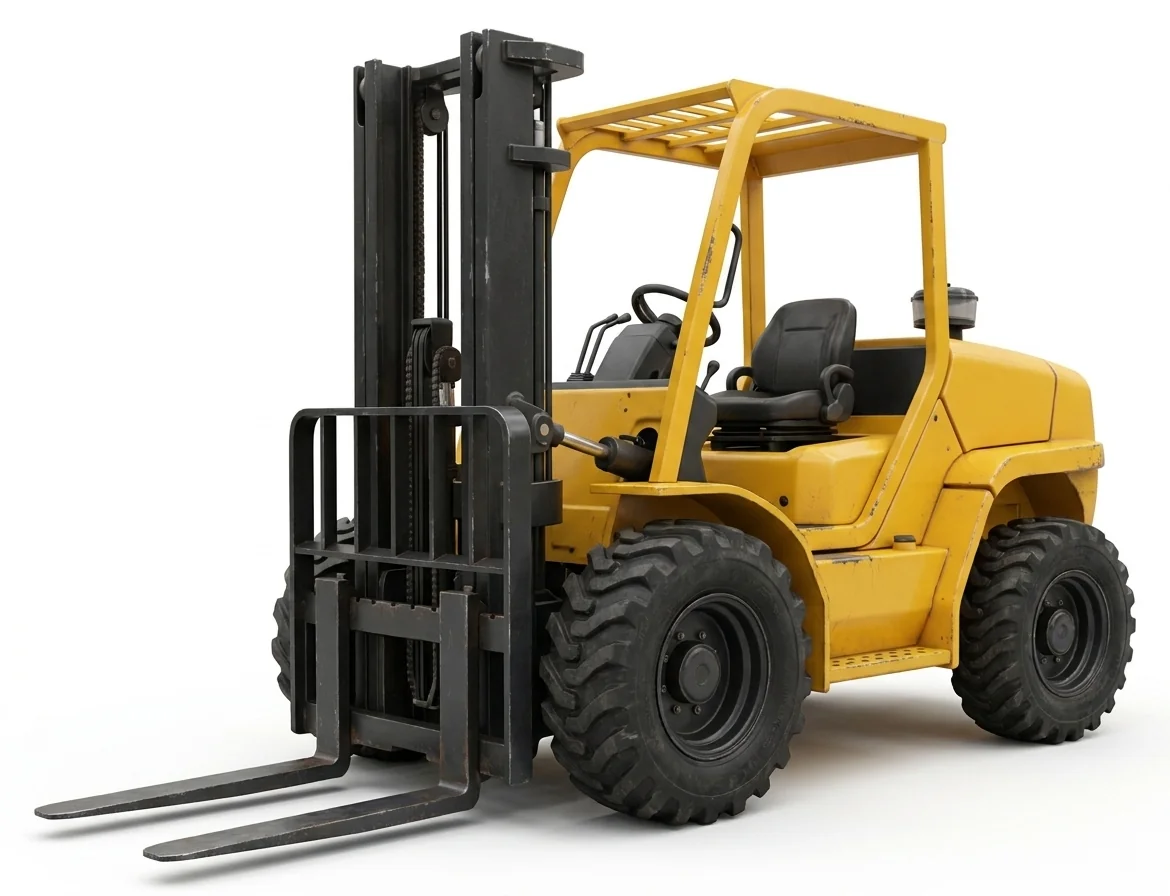
- Surface: dry polished slabs suit cushion-tire electrics. Yard moves, freeze-thaw cracks, and gravel transitions call for pneumatic-tire trucks.
- Load: confirm center of gravity, dimensions, and whether stacking height changes the mast choice.
Salt Lake City facility patterns
- Local distribution buildings run tall racking with narrow or standard aisles. Reach trucks or narrow-aisle electrics fit selective racking; standard sit-down electrics handle mixed dock and floor work.
- Mixed indoor/outdoor routes near industrial sites often require pneumatic-tire ICE forklifts for yard stability, then hand-off to electrics inside sensitive areas.
Cold weather considerations
Unheated docks and winter air exchange can affect battery runtime and hydraulic response on electrics. Plan charging or battery swaps around longer shifts in colder conditions typical of the regional climate.
When a forklift isn’t the best fit
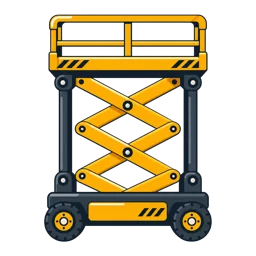
If the task is elevated placement beyond racking heights or requires setting materials over setbacks, consider /telehandler-rental/. For personnel access to high-bay maintenance points, see /electric-scissor-lift-rental/ or /boom-lift-rental/.
Actual site conditions, the selected unit’s instructions, and site procedures govern exterior or elevated work.
Related categories
- Material placement at height: /telehandler-rental/
- Indoor access: /electric-scissor-lift-rental/
- Site power for docks: /generators-light-towers-rental/